AI-assisted ANTB briefing
Why Los Angeles’s George Lucas Museum of Narrative Art Deserves a Place on Your Itinerary
Condé Nast Traveler introduces Los Angeles’s George Lucas Museum of Narrative Art as a new institution devoted to narrative art and describes it as a celebration of art made by and for the people. Here is what prospective visitors should consider before planning a visit.
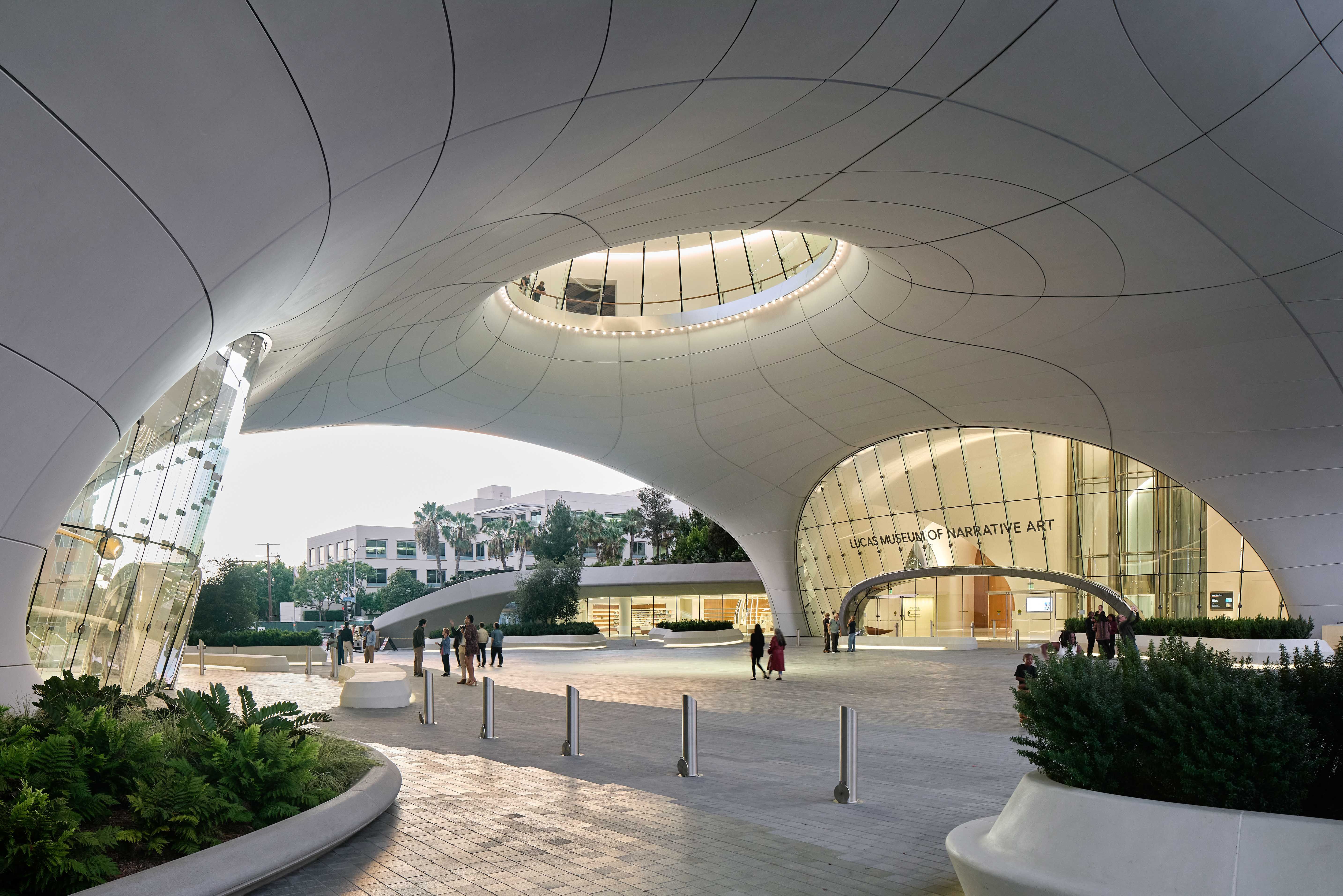
Los Angeles has a new cultural destination to consider: the George Lucas Museum of Narrative Art. In its report, Condé Nast Traveler calls the institution “groundbreaking” and presents it as a celebration of art made by and for the people. Even from that concise description, the museum suggests a different kind of museum experience—one focused not only on individual objects, but also on the stories, ideas, and human perspectives that art can carry.
That emphasis on narrative is the central reason to pay attention. Condé Nast Traveler’s summary does not describe the museum as a conventional collection organized around a single period, geography, or medium. Instead, the publication identifies narrative art as the institution’s defining subject. For travellers, that creates the possibility of an experience built around how images communicate, interpret, and connect with audiences. Anyone who enjoys visual culture with a strong sense of story may find the museum especially appealing.
The museum also appears suited to visitors who want to explore the relationship between popular and fine art. Condé Nast Traveler describes it as a celebration of art “made by and for the people,” language that places accessibility and public connection at the heart of the institution’s identity. That framing may appeal to travellers who are curious about art but do not necessarily want a museum visit to depend on specialist knowledge. It may also interest regular museumgoers looking for an institution that treats storytelling as a broad cultural practice rather than a narrow category.
Families and mixed-interest groups may want to investigate the museum for the same reason. A narrative-based visit can offer several points of entry: one person may be drawn to visual technique, another to storytelling, and another to the cultural meaning of the works. However, the supplied Condé Nast Traveler report does not provide information about family programming, children’s facilities, accessibility services, guided tours, or the recommended age range for visitors. Those details should be confirmed directly with the museum before booking a trip around it.
The destination may also fit travellers who are building a Los Angeles itinerary around museums and cultural institutions. Condé Nast Traveler identifies the museum as being in Los Angeles, but the supplied report does not give a more specific neighbourhood, nearby attractions, transport guidance, or advice about how long to allow for a visit. Those are important planning questions. Before committing to a particular day, research the museum’s exact location, the easiest way to reach it from your accommodation, parking or public-transport options, and whether the surrounding area offers other places worth combining with the visit.
Opening arrangements are another point to verify. The source packet does not state the museum’s opening hours, closed days, admission policy, reservation requirements, or whether timed entry is used. Travellers should check the official museum website for current visitor information rather than assume that availability will be flexible. It is also worth confirming whether exhibitions require separate tickets, whether advance reservations are recommended, and what happens if plans change after a booking is made.
The same caution applies to the museum’s programme. Condé Nast Traveler’s supplied summary establishes the institution’s narrative-art focus, but it does not list current exhibitions, permanent displays, special events, talks, workshops, or seasonal programming. These may be central to the experience a traveller has in mind. Someone interested in a particular artist, theme, or type of visual storytelling should review the current exhibition calendar and collection information before travelling.
Accessibility deserves specific research as well. The available report does not describe step-free routes, seating, sensory accommodations, captioning, audio description, accessible restrooms, or assistance for visitors with mobility, hearing, or visual needs. Travellers who require any of these services should contact the museum directly and ask for current, practical details. The same approach is sensible for visitors travelling with children or anyone who benefits from a quieter or more structured visit.
The museum’s appeal ultimately rests on the idea that art can be both expressive and communal. Condé Nast Traveler’s description of the George Lucas Museum of Narrative Art as a celebration of art made by and for the people gives the institution a clear public-facing identity. It points toward a destination for visitors who want culture to feel connected to everyday audiences and to the stories people create, share, and recognize.
For now, the most responsible way to plan a visit is to treat the museum as an intriguing cultural addition to Los Angeles while verifying the practical details independently. Check the official site for exhibitions, tickets, hours, access information, photography rules, and visitor guidance. Then consider whether its narrative focus matches your interests. If you are drawn to museums that explore how art communicates with broad audiences, Condé Nast Traveler’s account suggests that this new Los Angeles institution could be a compelling stop.
ANTB context
Why it matters
Condé Nast Traveler’s report highlights a Los Angeles cultural institution organized around narrative art and public connection. That makes it potentially relevant to travellers seeking a museum experience that emphasizes storytelling and broad audience appeal, while the limited published details make direct verification essential before visiting.
Evidence and further reading
Sources
- Inside Los Angeles’s Groundbreaking George Lucas Museum of Narrative ArtCondé Nast Traveler · accessed 22 Sep 2026