AI-assisted ANTB briefing
The World’s Best-Connected Airports in 2026: Understanding the Megahub
Condé Nast Traveler’s 2026 guide looks at international megahubs with an exceptional number of connections. Here is how to use that idea when planning a long-haul journey, choosing a stopover, or comparing flight options.
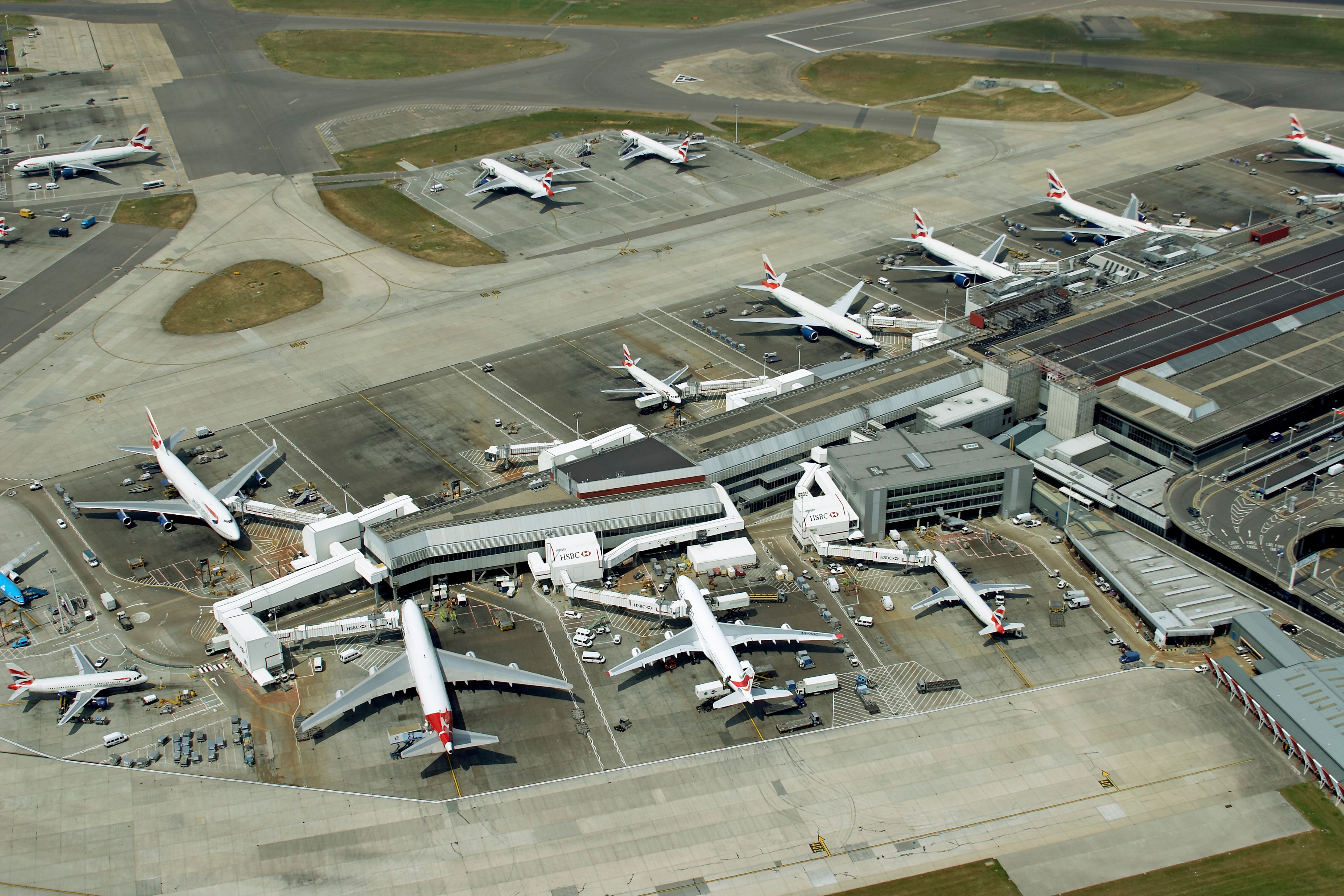
For many travellers, an airport is simply the place where a trip begins or ends. For others, it is part of the journey itself: a transfer point that can connect several regions, airlines and travel plans. Condé Nast Traveler’s “These Are the World’s Best-Connected Airports for 2026” focuses on international “megahubs”—airports with an extraordinary number of possible connections, according to the publisher.
That makes the subject useful well beyond aviation enthusiasts. A highly connected airport can be relevant if you are planning a long-haul itinerary, comparing several possible routes or considering a stopover between two less frequently served destinations. Condé Nast Traveler presents these airports as places with more connections than a traveller could easily count. The appeal, then, is not necessarily that the airport is a destination in its own right, but that it may expand the number of ways to reach one.
The guide is also a starting point rather than a complete booking decision. Connectivity does not automatically mean that an airport will provide the easiest or most comfortable journey for every passenger. A traveller needs to establish what the connections actually mean for a particular itinerary: Are the flights offered on the same booking? Do they use the same terminal? Will a transfer require immigration or a new security check? The answers can differ depending on the airlines and flights selected, so they should be confirmed before purchase.
This topic is especially suited to flexible travellers. If your dates, arrival city or airline are not fixed, the airports highlighted by Condé Nast Traveler may help you think more broadly about possible routes. It may also interest people whose journeys involve multiple continents or destinations that do not have a simple nonstop option. For these travellers, a megahub can be a useful lens for comparing alternatives rather than searching for only one direct flight.
It may be less useful for someone who values the shortest possible journey above all else. A route through a major connecting airport can involve a longer overall itinerary, an overnight wait or additional airport procedures. Condé Nast Traveler’s summary establishes the airports’ abundance of connections, but it does not by itself answer whether any individual connection will be fast, convenient or suitable for a particular passenger. Those details belong to the specific flight search and booking conditions.
Before choosing a route through one of the airports covered by the article, research the minimum connection time published for the relevant itinerary and compare it with the actual transfer involved. Check whether the incoming and departing flights use one terminal or different terminals. Confirm whether checked baggage will be transferred automatically, particularly when separate tickets are involved. Also look at the airline’s rules for missed connections and determine whether the booking is protected as one journey or treated as separate flights.
Travellers should research entry and transit requirements as well. A connection can involve different procedures depending on whether a passenger remains airside, collects luggage, changes terminals or leaves the airport. The applicable rules may depend on nationality, destination, ticket structure and the airport’s transfer process. Because the Condé Nast Traveler source identifies the megahub concept rather than supplying personal immigration guidance, readers should verify requirements through official government, airport and airline sources before booking.
Comfort is another question worth investigating. Look for the length of the layover, the availability of suitable seating, the possibility of an overnight stay and the practical cost of spending extra time at the airport. These are not qualities that can be assumed from a high level of connectivity. A huge choice of routes may be valuable, but the best airport for one itinerary may be a poor fit for another because of timing, terminal changes or the traveller’s tolerance for complicated transfers.
The article’s most useful lesson is that connectivity can shape the possibilities of a trip. Condé Nast Traveler’s 2026 feature draws attention to international airports that function as major crossroads, with a volume of connections that places them in the megahub category. For readers, the sensible next step is to use that information as a route-planning prompt: identify the airports that could serve your journey, then test each option against transfer arrangements, ticket protection, baggage handling, transit rules and total travel time.
A well-connected airport may open more doors, but it is not automatically the best doorway for every traveller. The right choice depends on the itinerary, the booking terms and the practical demands of the connection. Read Condé Nast Traveler’s guide for an overview of the 2026 megahub landscape, then verify the details that apply to your own flights before committing.
ANTB context
Why it matters
Condé Nast Traveler’s megahub guide offers a useful way to think about route planning, especially when a nonstop flight is unavailable or travel dates and destinations are flexible. Its value is greatest as an introduction to possible connecting points; travellers still need to research the exact flight, transfer process, ticket conditions and transit requirements before booking.
Evidence and further reading
Sources
- These Are the World's Best-Connected Airports for 2026Condé Nast Traveler · accessed 25 Sep 2026