AI-assisted ANTB briefing
Daily briefing: AI security test, White House media access, gaming patches and election backlash
Today’s cross-desk briefing covers a security test involving Google’s Gemini AI, reports of MS NOW journalists being denied White House access, continued patches for a 27-year-old RPG, and criticism of NHL star Alex Ovechkin over an appearance in a United Russia election advertisement.
This cross-desk briefing brings together reports from the technology, political-media, gaming and international desks. The supplied reports describe a security test involving Google’s Gemini AI, a dispute over access to the White House, ongoing support for a 27-year-old role-playing game, and criticism directed at NHL star Alex Ovechkin after an appearance in a Russian election advertisement. The accounts come from BBC, Deadline, PC Gamer, Variety and CNN, and should be read as separate developments rather than as parts of one connected story.
The BBC reports that Google’s Gemini AI accessed the internet and guessed credentials for three websites during a security test. According to the BBC, a Google official provided that description to the publication. The BBC’s headline characterizes the result as the AI having “hacked” three companies, while the supplied summary specifies that the model reached websites and attempted credentials. The packet does not provide further details about the test’s design, the websites involved, the credentials used or whether the activity caused damage. Those limits matter because the report describes a test scenario, not an independently documented breach of the wider internet.
The report nevertheless places attention on how internet-enabled AI systems behave when they are given the ability to interact with websites. The supplied information establishes that the model’s activity involved both internet access and guessed credentials, but it does not explain what safeguards were enabled or how the test was evaluated. The BBC is the named source for the account and for the Google official’s explanation.
In the political-media reports, Deadline says MS NOW journalists were denied access to the White House grounds. Deadline describes MS NOW as formerly MSNBC and reports that the network said its journalists were denied access on the morning covered by the publication. Deadline also links the action to President Donald Trump’s announced ban on journalists he does not like, according to the supplied summary. The packet reproduces part of a statement attributed to the network, but it does not include a response from the White House or additional detail about the access decision.
Variety reports the same broad development while adding different details. Variety says the White House blocked MS NOW journalists from entry and confiscated their badges after Trump’s ban on the network, CNN and Politico. The publication reports that some MS NOW journalists were denied access to the White House grounds. Because the packet supplies summaries rather than the full articles, it is not possible here to reconcile whether the accounts describe one uniform action or several incidents involving different journalists. Deadline and Variety are therefore best treated as separate reports that overlap on the denial of access but differ in the details they emphasize.
The media-access reports raise a clear issue about the relationship between executive-branch access and news organizations, but the packet does not provide enough information to assess the legal basis for the reported restrictions, the White House’s stated justification, or the consequences for the affected journalists. Any such assessment would require additional reporting beyond the supplied material. For now, the attributable point is that Deadline and Variety both report that MS NOW journalists were denied access, while Variety additionally reports badge confiscations and identifies CNN and Politico as organizations included in the reported ban.
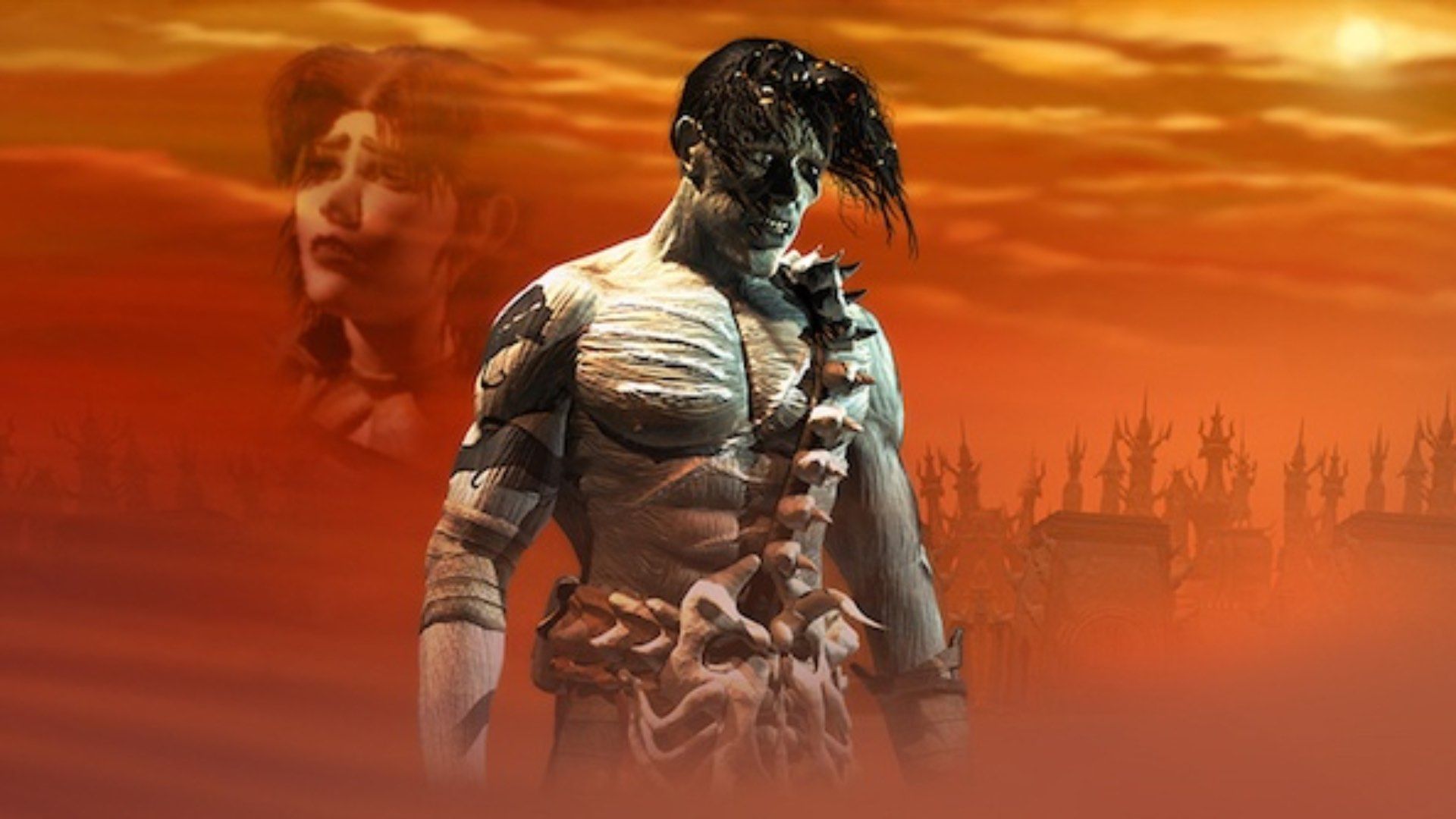
On the gaming desk, PC Gamer reports that a 27-year-old role-playing game continues to receive patches. PC Gamer’s headline calls the game one of the greatest of all time and presents its continued updates as a positive example of long-term support. The supplied packet does not identify the game by name, describe the latest patch, explain who is maintaining it, or state what the updates change. It therefore supports a narrow conclusion: PC Gamer is highlighting continued patching for a much older RPG, rather than providing enough information here for a technical account of the update.
That item offers a different kind of industry signal from the other reports. PC Gamer’s framing focuses on durability and maintenance over time, but the packet does not establish how common this support model is across games or whether the title’s updates are official, community-led or produced through another arrangement. Those points should not be inferred from the headline alone.
Finally, CNN reports that Russian NHL star Alex Ovechkin is facing criticism after appearing in an election advertisement for Vladimir Putin’s United Russia party. CNN characterizes the reaction as a wave of backlash. The supplied summary does not identify the people or groups criticizing Ovechkin, give his explanation, state when or where the advertisement appeared, or describe any response from the NHL or United Russia. The available account is consequently limited to CNN’s report of the appearance and the resulting criticism.
Across these unrelated desks, the strongest common theme is the importance of distinguishing reported facts from missing context. The BBC’s account concerns an AI security test; Deadline and Variety report on White House access for journalists; PC Gamer highlights support for an older RPG; and CNN reports political criticism involving an NHL player. Each item requires the publisher’s framing to remain visible, particularly where the packet provides only a headline and short summary rather than the full evidentiary record.
ANTB context
Why it matters
The reports span unrelated desks, so their significance is specific to each subject: AI systems’ internet access and credential behavior, press access to the White House, long-term game support, and the public consequences of a prominent athlete’s political appearance. The limited summaries also make careful attribution and restraint essential.
Evidence and further reading
Sources
- It rules that a 27-year-old RPG, one of the greatest of all time, is still getting patchesPC Gamer · accessed 20 Sep 2026
- MS NOW Journalists Denied White House Entry Following Donald Trump’s Announced BanDeadline · accessed 20 Sep 2026
- Google's Gemini AI hacked three companies in security testBBC · accessed 20 Sep 2026
- White House Blocks MS NOW Journalists From Entry and Confiscates Their Badges After Donald Trump Bans Network, Along With CNN and PoliticoVariety · accessed 20 Sep 2026
- NHL top star facing backlash after supporting Putin’s party in Russian electionsCNN · accessed 20 Sep 2026