AI-assisted ANTB briefing
A First Look at Cruising Colombia’s Magdalena River from Cartagena to Barranquilla
Condé Nast Traveler follows writer Charlie Hobbs aboard the new AmaMelodia, a cruise linking Cartagena and Barranquilla through Colombia’s Magdalena River region while highlighting connections between travelers and artisans.
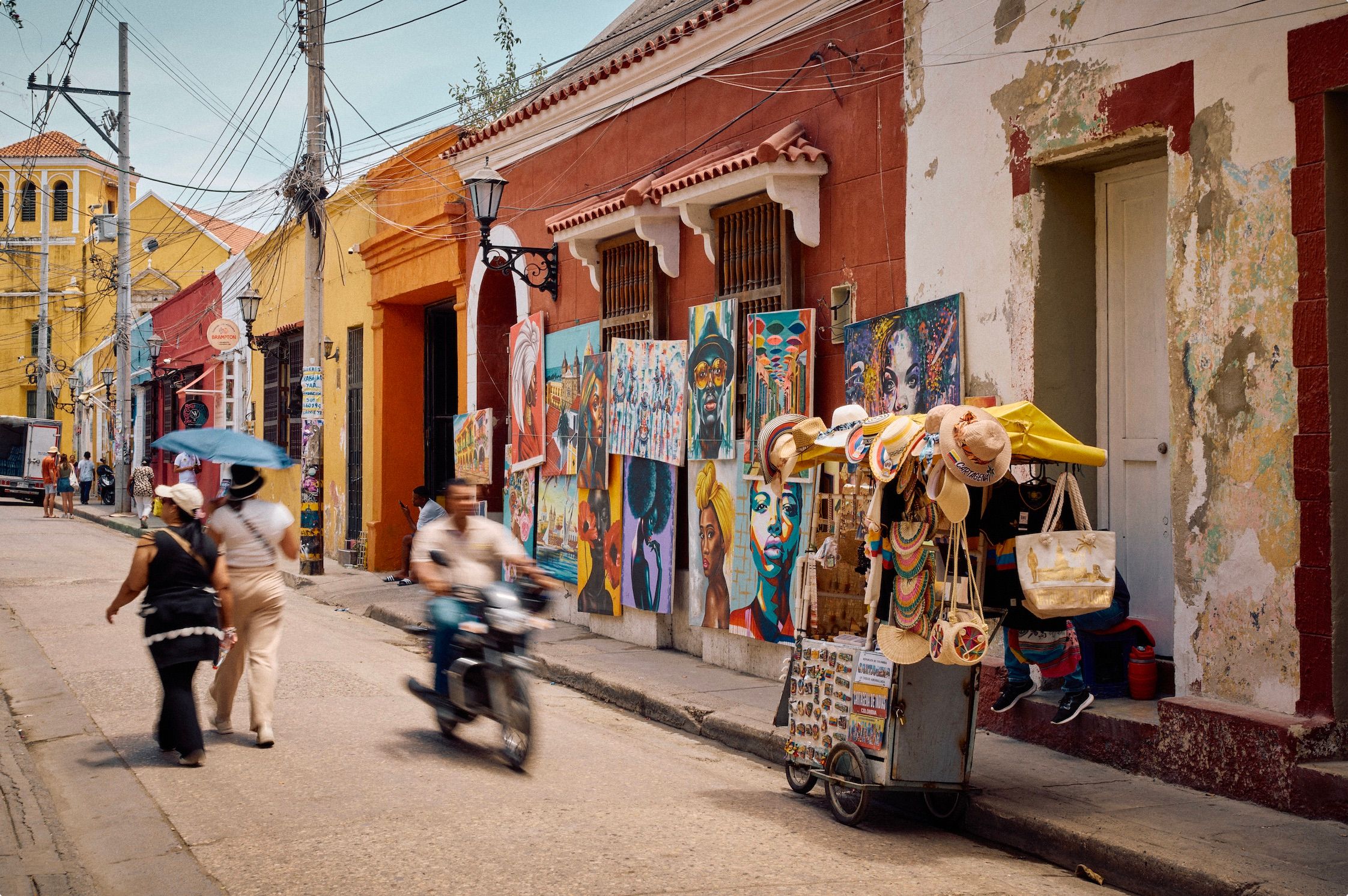
A journey on Colombia’s Magdalena River is being presented as more than a cruise itinerary. In a report for Condé Nast Traveler, writer Charlie Hobbs sails aboard the new AmaMelodia on a route running from Cartagena to Barranquilla, with the experience framed around connections between travelers and local artisans. That combination gives the trip a distinctive appeal: it joins a river journey with encounters shaped by creativity, place, and the people who make and preserve local work.
The central idea is especially interesting because the itinerary appears designed to connect several kinds of travel in one experience. Condé Nast Traveler describes the cruise as linking artisans and travelers, rather than presenting the ship only as a means of moving between Colombian destinations. For visitors who enjoy meeting makers, learning how cultural objects are produced, or bringing home items with a story behind them, that focus may be as important as the sailing itself.
The route also offers a different way to think about a visit that begins in Cartagena and ends in Barranquilla. Condé Nast Traveler identifies those two cities as the endpoints of Hobbs’s voyage aboard AmaMelodia. A traveler considering the itinerary can therefore approach it as a structured journey between two recognizable Colombian destinations, while also asking how much time to spend before embarkation and after disembarkation.
This kind of trip may suit travelers who prefer a guided, unhurried framework to a self-directed itinerary. A cruise can simplify the basic rhythm of travel: board once, settle into a vessel, and follow an organized route. The artisan-focused concept may also appeal to visitors who want cultural encounters to be part of the main itinerary rather than an optional addition arranged independently. These are travel-style considerations rather than guarantees about the experience, so prospective passengers should compare the cruise’s actual schedule and inclusions with their expectations.
The voyage may be a particularly good fit for travelers who are curious about how tourism can create contact with creative communities. Condé Nast Traveler’s headline and summary place that relationship at the heart of the story. Readers interested in responsible or community-connected travel should investigate how the cruise works with artisans, what kinds of visits are included, and whether purchases or workshops directly involve the makers. Those details will help distinguish a meaningful exchange from a simple shopping stop.
Before booking, the first practical question is what the AmaMelodia itinerary actually includes. Research the number of nights, embarkation and disembarkation arrangements, excursions, meals, onboard programming, transfers, and any activities involving artisans. Condé Nast Traveler confirms that Hobbs sailed from Cartagena to Barranquilla aboard the new vessel, but the supplied report summary does not provide the full itinerary or booking terms. Those specifics should be verified through the cruise operator or an authorized travel adviser.
Travelers should also clarify the pace of the trip. Ask how much time is spent on the ship and how much is devoted to shore visits. Find out whether artisan encounters are scheduled for the entire group or offered as optional activities, and whether they involve demonstrations, workshops, studio visits, or opportunities to buy work. Because the source emphasizes the connection between artisans and travelers, these questions are central to understanding what the cruise promises in practice.
It is also worth researching the ship itself. Potential passengers should look for current information about cabin categories, accessibility, outdoor space, dining, internet availability, laundry, and the arrangements for excursions. Travelers should ask which onboard services are included in the fare and which may cost extra. The fact that AmaMelodia is described by Condé Nast Traveler as new makes it sensible to seek up-to-date information, since launch-period itineraries and onboard details can change.
The start and finish of the journey deserve equal planning attention. Confirm where in Cartagena passengers board, how early they should arrive, and whether a hotel night is recommended or required by the operator. At the Barranquilla end, check the scheduled arrival time, transfer options, and how easily the itinerary connects with a flight or onward stay. The source identifies the cities as the voyage’s endpoints, but it does not state the precise port arrangements or timing.
The Magdalena River cruise described by Condé Nast Traveler is most compelling as a travel concept: a river journey that places artisans and cultural connection alongside the movement between Cartagena and Barranquilla. It may suit travelers who value a curated route, prefer the ease of unpacking once, and want creative encounters built into their holiday. The best next step is careful research into the schedule, inclusions, shore experiences, and operator policies so the real itinerary matches the imaginative promise of the story.
ANTB context
Why it matters
Condé Nast Traveler’s report points to a travel model that combines river cruising with direct connections to artisans. For travelers seeking a more culturally focused itinerary, the AmaMelodia voyage offers a reason to look beyond conventional city stays while still requiring careful research into what the cruise experience actually includes.
Evidence and further reading
Sources
- On Colombia's Magdalena River, a New Cruise is Connecting Artisans and TravelersCondé Nast Traveler · accessed 18 Sep 2026